A company making a product can show their customers and colleagues the product they make. If there’s a defect, the customer can send the product back and get a refund, but that’s not the case in shipping.
While we can’t show people a finished product, we can communicate what we are doing at all times -because we are in the communication business. The more effective our communication, the better our service is, and it’s you - our crew - we need to hear from the most.
Together we can ensure effective, timely and transparent communication by following some simple guidelines.
Communicate issues in a timely manner. We have an obligation to inform our senior managers, and in turn our owner, of any challenges and achievements
Your job as crew is to inform the supers about problems on board and it’s our supers’ job to support the crew in finding the root cause and implementing solutions. Effective communication of issues also allows us to share and learn experiences across our fleet.
An important rule is to not make assumptions that an issue is known to all. If you see an issue – report it!
From shore our management are committed to keeping our crew informed so the communication goes both ways.
Communication as soon as something happens:
We understand there can be a reluctance to communicate vessel and machinery issues with shore crew. The goal of our onshore team, IN ALL CASES, is to help fix issues in a timely manner so it’s better to raise an issue with the wider team. The main reason for this communication is to ensure you have the best possible support to fix an issue. Raising issues in a timely manner is also a way to cover yourself before they become bigger.
In the past there have been examples of cargo damage where the hold was flooded but we didn’t get any communications from our crew until after our customers knew about the damage. This is the worst-case scenario, and we want to avoid this lapse in communication by creating a culture of openness where everyone is empowered to report problems to their direct superior.
Four eyes are better than two:
We have great crew on our ships, and we know you want to fix issues yourselves but there are huge benefits to sharing problems with a wider group. We have an onshore crew experienced with talking you through technical fixes and we often deal with the same issues across multiple ships so can call in the right people with firsthand experience to solve your problem.
Another benefit from sharing your technical issues is we all learn from the process of fixing them. If one of our other vessels has a similar issue, we are more prepared thanks to the lessons learnt. Recently we had two vessels with blackouts due to similar mistakes of not paying attention to the fuel tank alarm. Reminding people of the importance of monitoring these alarms helps to avoid crew making fixes in the dark.
If in doubt – raise it anyway:
We have a steady rotation of crew on our ships and sometimes it is assumed an issue must have been raised in the past. If you see an issue, please raise it with your technical superintendent or marine superintendent so you can be sure the issue is covered.
Our commitment to you:
Transparency goes both ways and our commitment to our crew is ensuring lines of communication are always open. In October, we started the new vessel scorecards to communicate expectations and show you how each vessel is tracking. It’s important to us that crew aren’t withholding issues to get a better score, so going forward we will incentivise crew who raise issues in a timely manner with a better communications score.
Regards,
Greg Wilson & Sumit Kumar
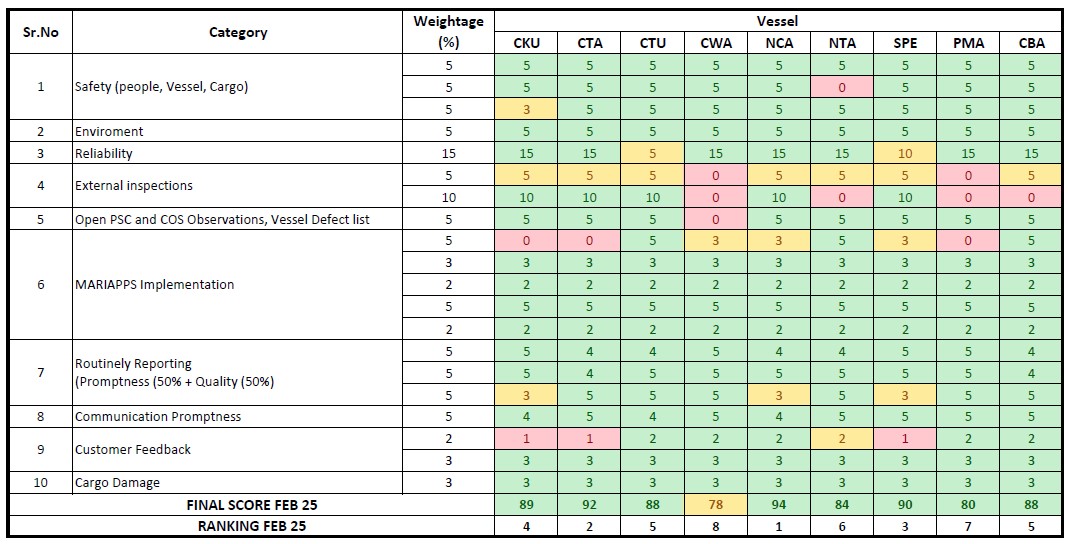
FEBRUARY KPI SCORECARD RESULTS
Congratulations to the crew onboard theNPDL Californiafor achieving a score of 94 and narrowly beating theCapitaine Tasmanto take top spot in the February KPI's.
IMPORTANCE OF FOLLOWING THE PRE-LOADING PLAN
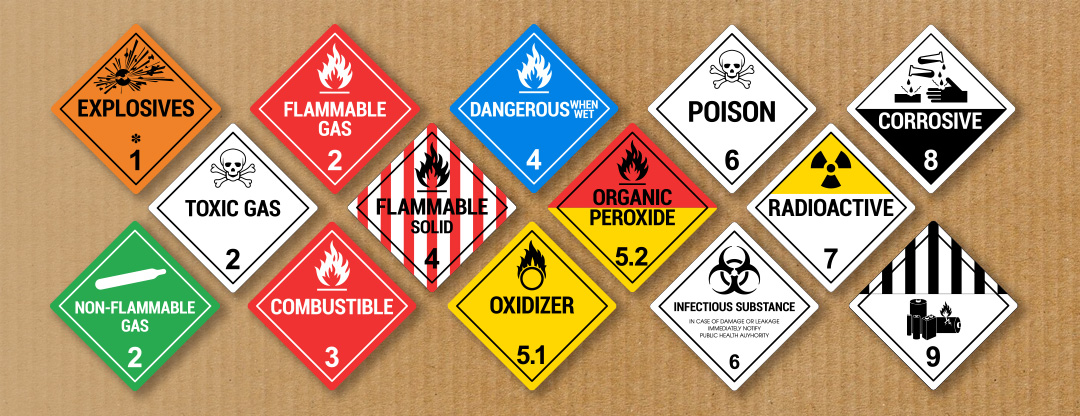
We had a timely reminder this month about following the preloading plan and the delays caused when correct procedure isn’t followed. Departure of theCapitaine Tasmanfrom port of Apia was delayed and refused by the vessel master after they noticed a reefer container was not stowed in the approved position resulting in a conflict with Dangerous Goods in close proximity.
According to IMDG Code Part 7, this cargo must be stowed at least 2.4m clear from any source of ignition for safety compliance. For safety reasons, the vessel delayed departure from the port until the issue was fully resolved.
An excellent example of effective and timely communication and good use of ‘’STOP THE HOOK’’ process.
EMERGENCY DRILLS AT THE PORT OF LAUTOKA
Ship-to-Shore and Shore-to-Ship Emergency Drills
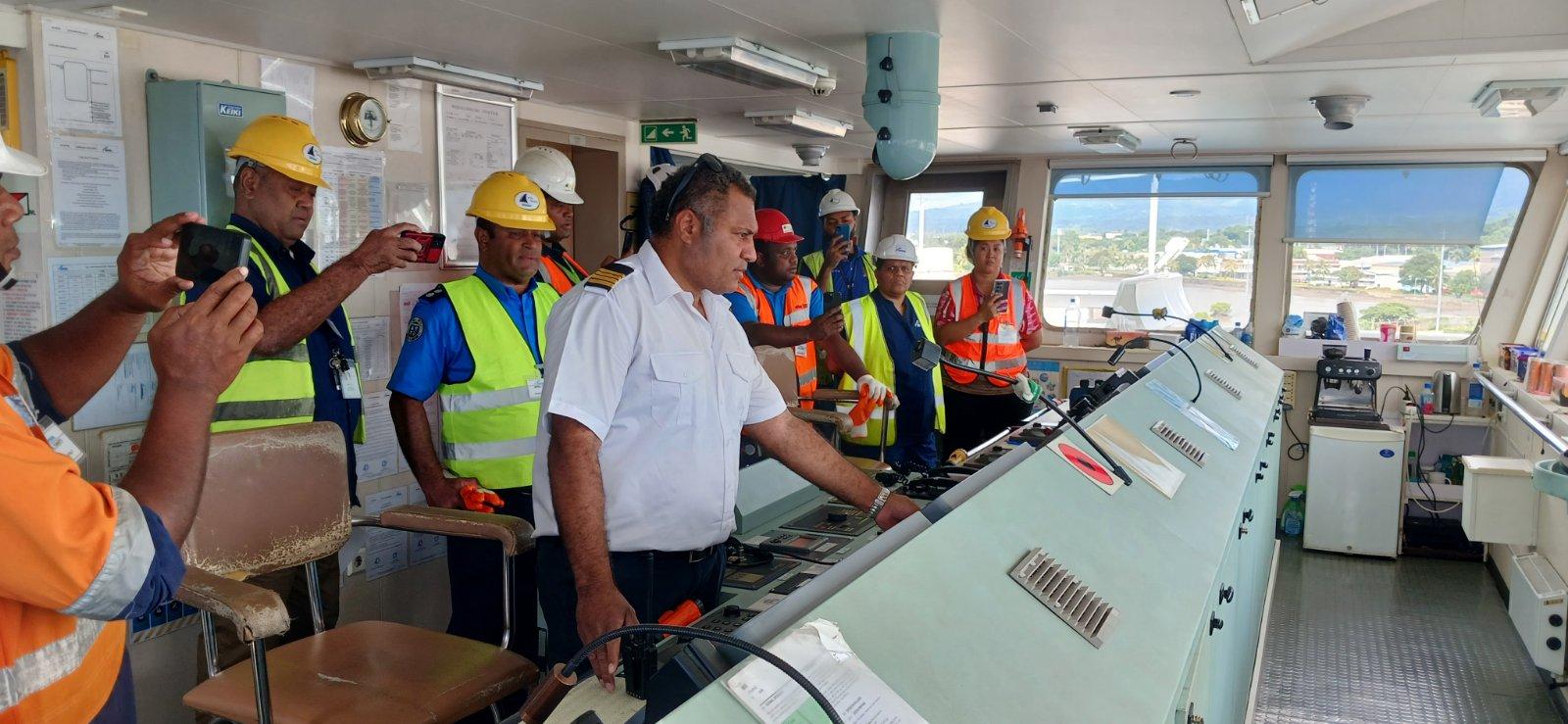
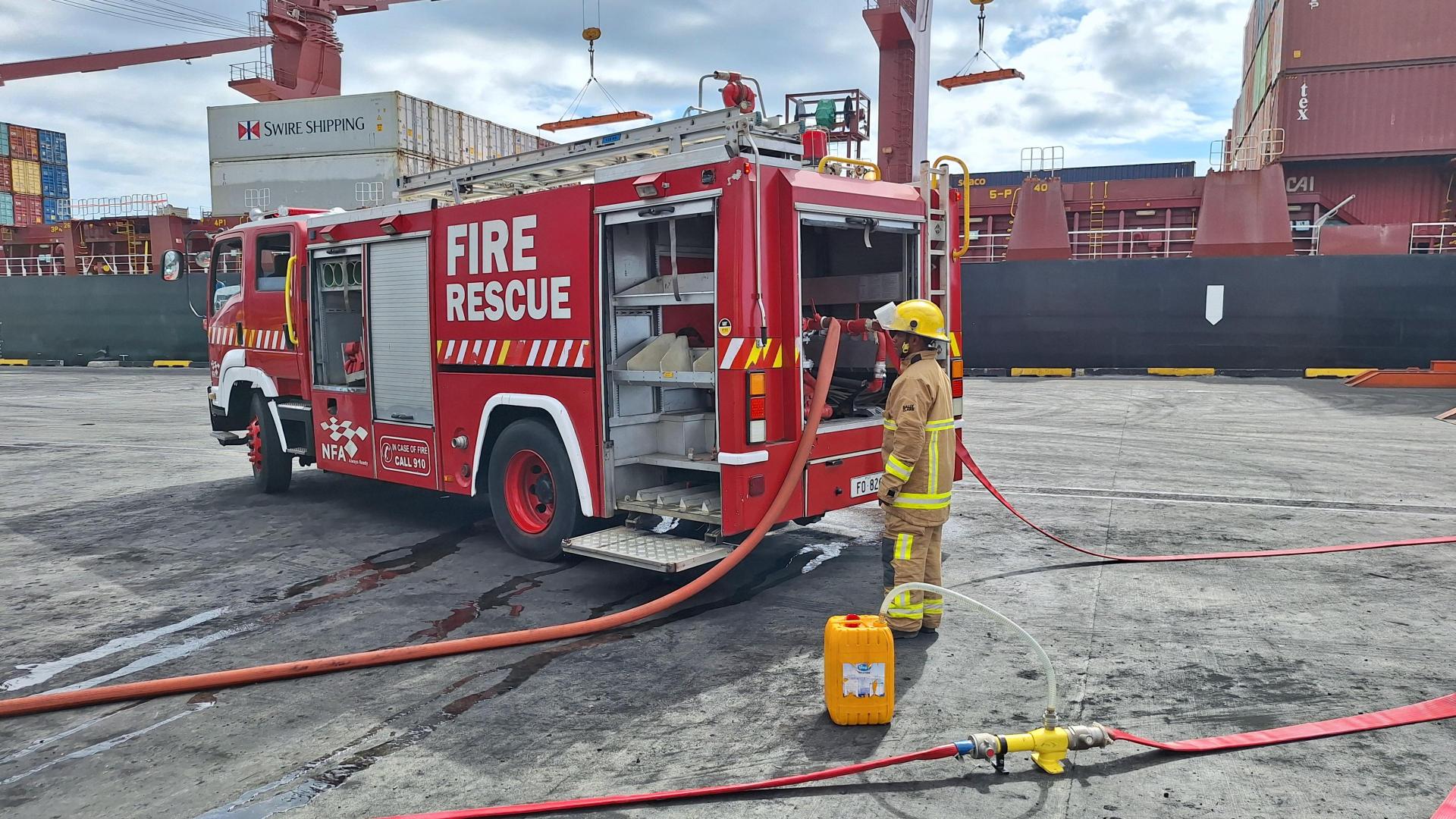
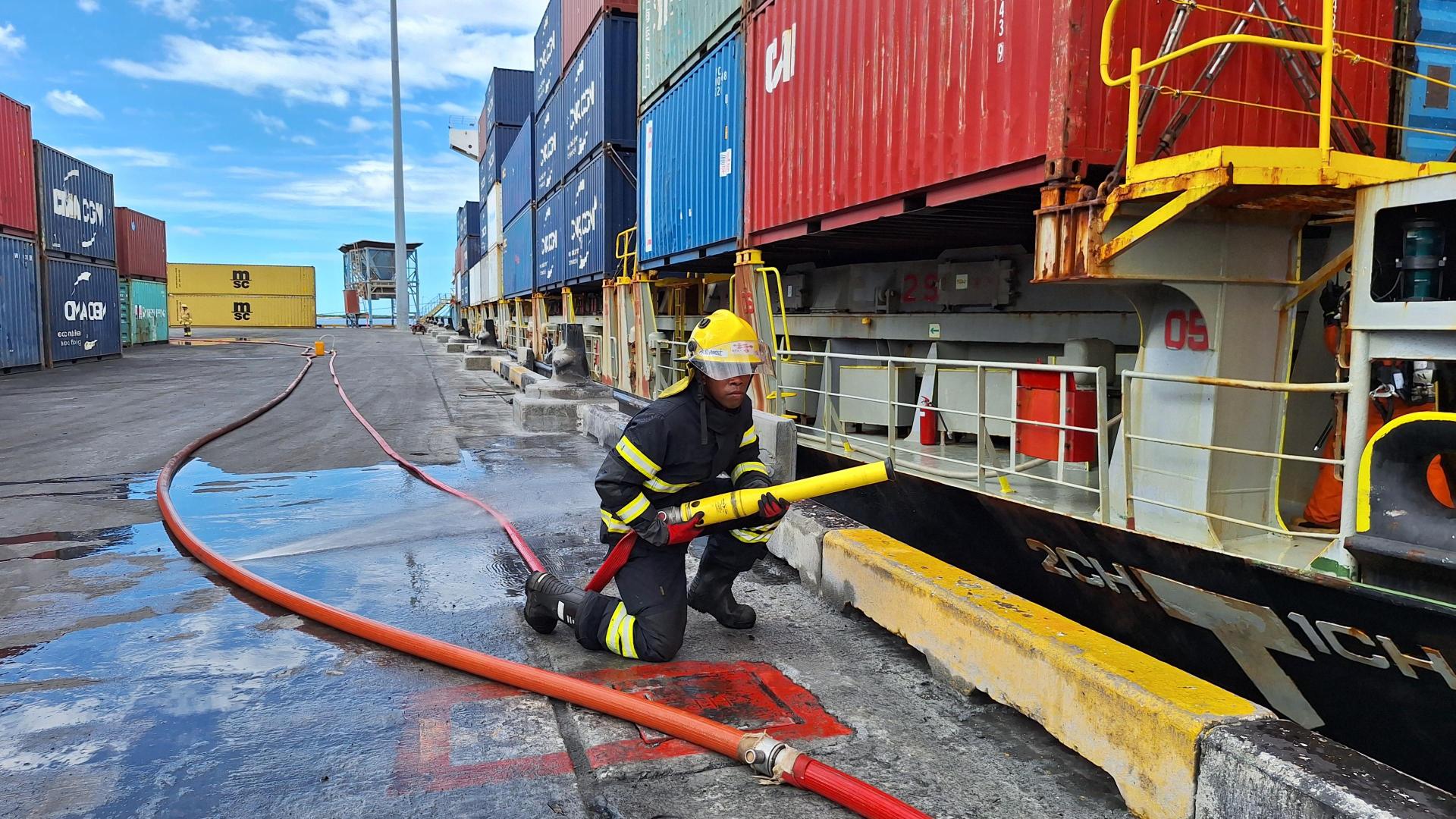
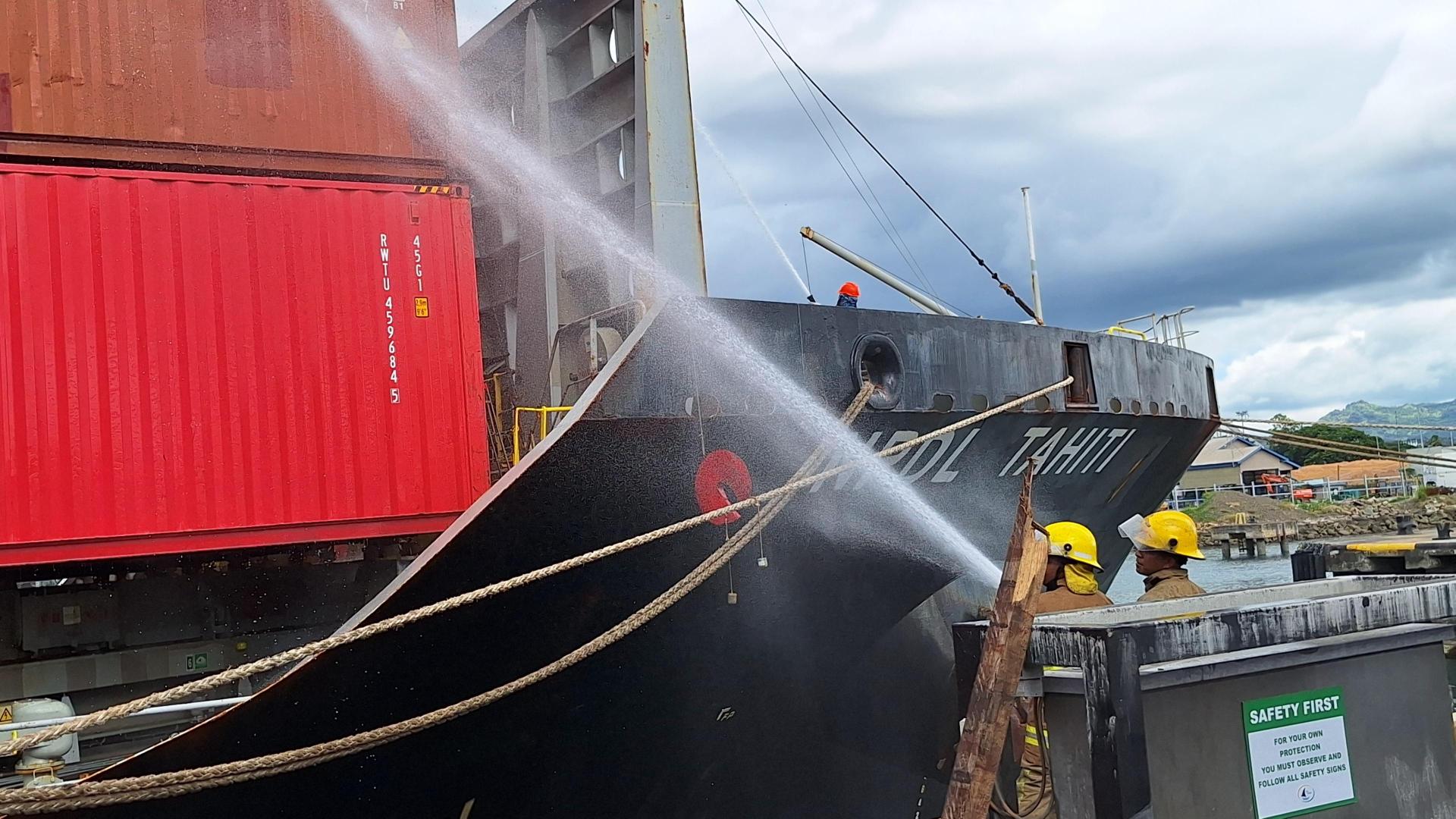
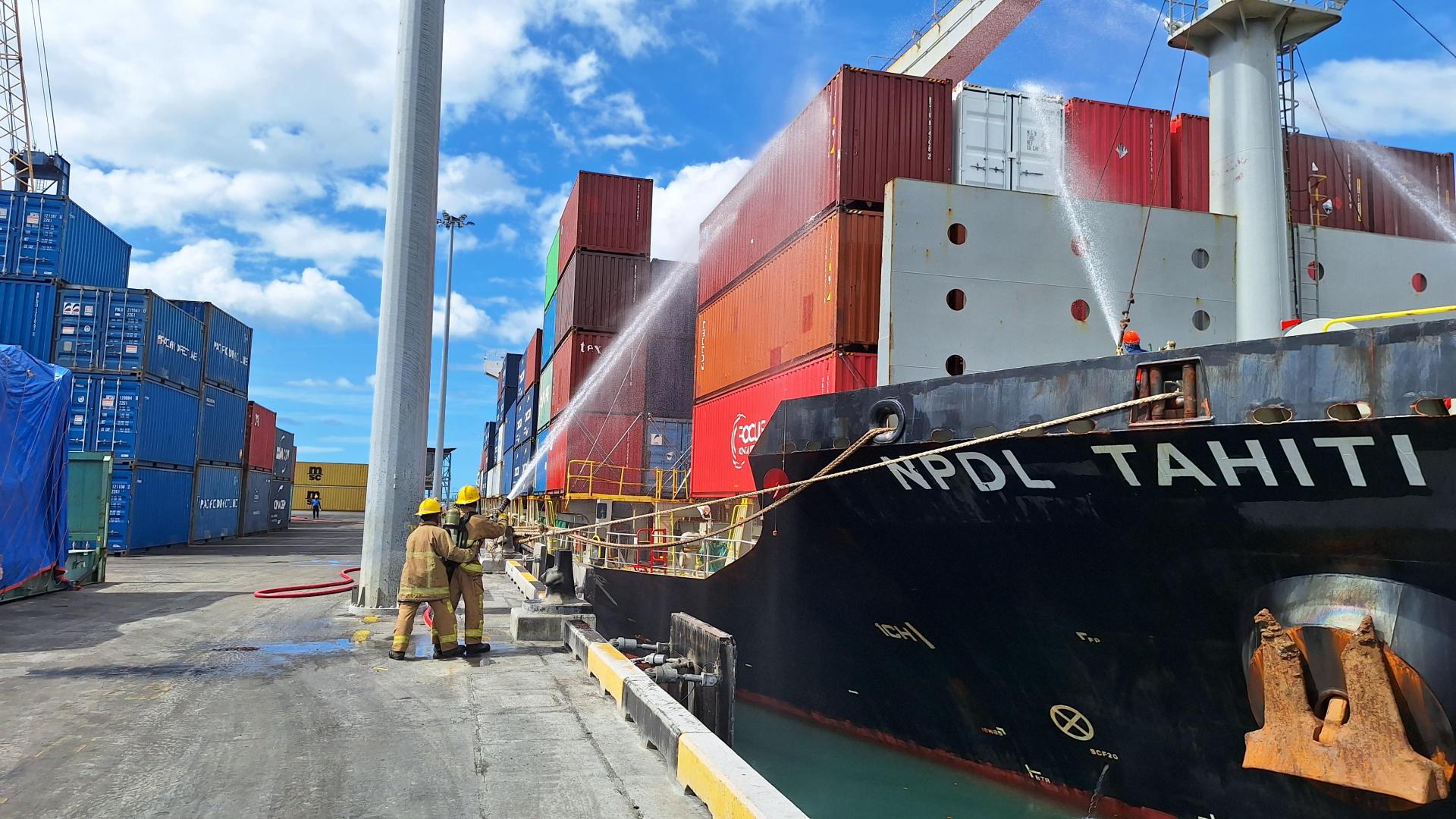
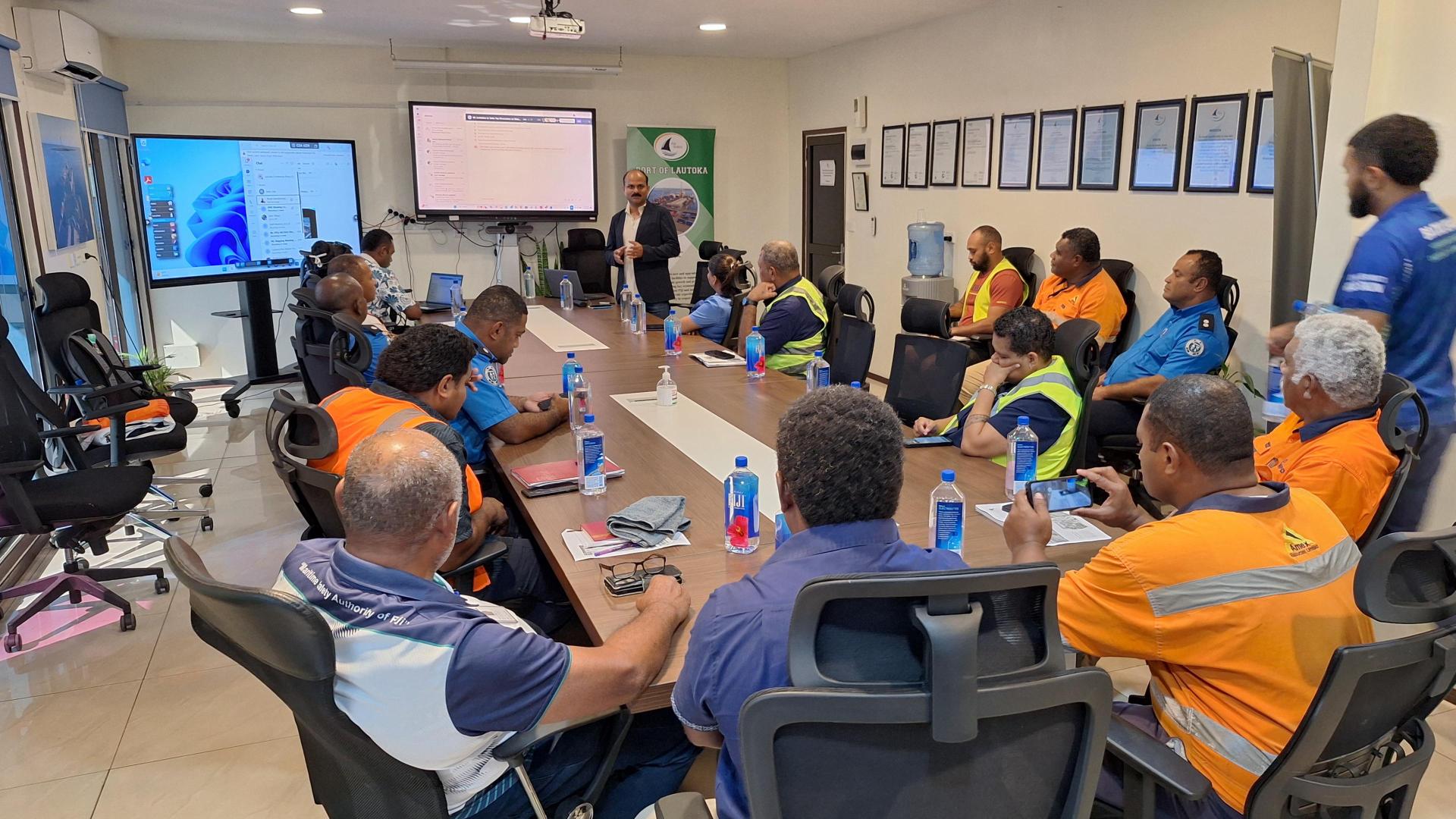
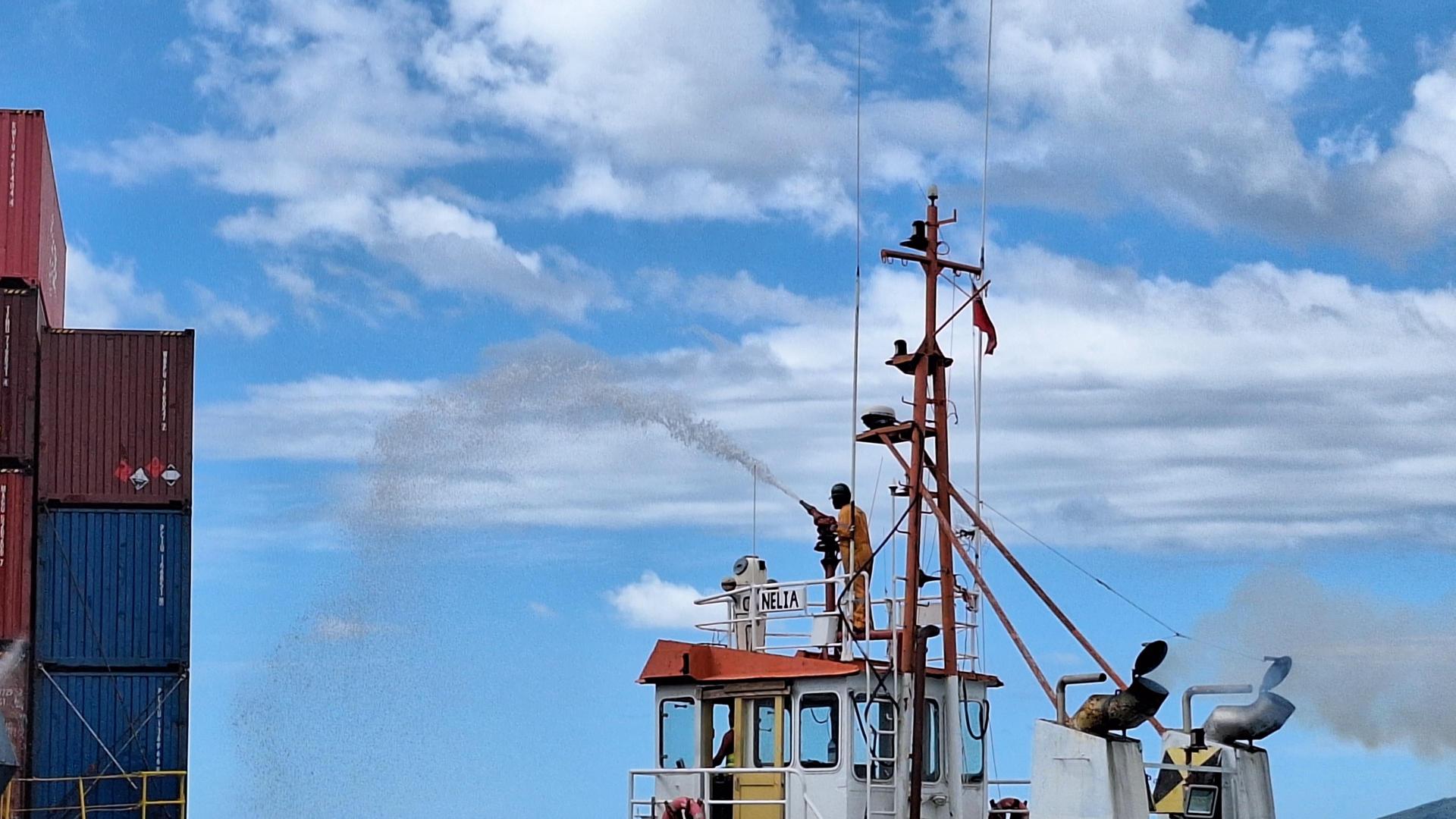
The NPDL Marine Team, in collaboration with the Lautoka FPCL Port Authority and other relevant agencies, successfully conducted a two-day table talk and mock emergency drill at Lautoka International Port of Entry. The exercise aimed to test the effectiveness of the existing Emergency Response Plan and enhance coordination between ship and shore-based emergency teams.
Simulated Emergency Scenario
The drill was conducted with an NPDL foreign-going container vessel, simulating an escalating emergency situation:
Category Level 1: Fire outbreak in Cargo Hold No.1
Category Level 2: Explosion of a Dangerous Goods (DG) container, escalating the fire
Category Level 3: Hazardous chemical spill overboard
The crew of NPDL Tahiti, led by Captain Kini Ratudina, demonstrated commendable response procedures, providing valuable insights into how ship crews handle onboard emergencies.
Emergency Response and Coordination
The exercise showcased seamless communication and coordination between the ship and shore teams, particularly in:
Raising the alarm and alerting Lautoka Port Control.
Monitoring the situation and escalating it to the Port Harbour Master & FPSO.
Mobilizing emergency response teams, including fire and rescue, security, and port authorities.
Shore-based responders, including the National Fire Authority (NFA) and SSTL Tug (South Sea Towage), executed their roles efficiently, reinforcing the importance of multi-agency coordination in maritime emergencies.
Acknowledgments
Special thanks go to FPCL HQ & Lautoka Team as well as all participating stakeholders:
National Fire Authority (NFA)
Fiji Navy
Fiji Police
Customs
Amex Resources Ltd
South Sea Towage (SSTL - Tug)
Biosecurity
GSSFL - Grid Security
MSAF
Tropik Wood
NPDL Operations teams (Suva, Lautoka, Singapore & Nadi)
Key Takeaways and Areas for Improvement
The drill concluded with a debriefing session, where gaps in the response plan were identified and evaluated for improvement. The exercise highlighted the importance of:
Enhancing inter-agency communication and response coordination.
Improving emergency preparedness for hazardous material incidents.
Strengthening training programs for ship crews and emergency response teams.
The drill was a valuable exercise in ensuring readiness and safety at the Port of Lautoka. Many thanks to all stakeholders for their commitment and participation in this critical emergency preparedness initiative.
Special thanks to Captain Satini Satini for writing this recap on the drills.